
Trusted Bail Bonds Agents Serving Columbus Ohio
What’s Covered on This Page
- Domestic Violence Arrests Follow a Different Bail Process
- What Happens After You Call a Bail Bondsman
- No-Contact Orders Change What Release Looks Like
- How Bail Bond Costs Work for Domestic Violence Charges
- When You May Not Need a Bail Bond
- Why isn’t my family member released right after bail is posted for a domestic violence charge in Columbus?
- Does a no-contact order mean my loved one can go back home after release?
- Which court handles domestic violence bail cases in Columbus?
- What information do I need before calling a bail bondsman for a domestic violence arrest?
- Can violating a no-contact order affect my family member’s release?
- Why do domestic violence bail amounts tend to run higher in Columbus?
Domestic Violence Arrests Follow a Different Bail Process
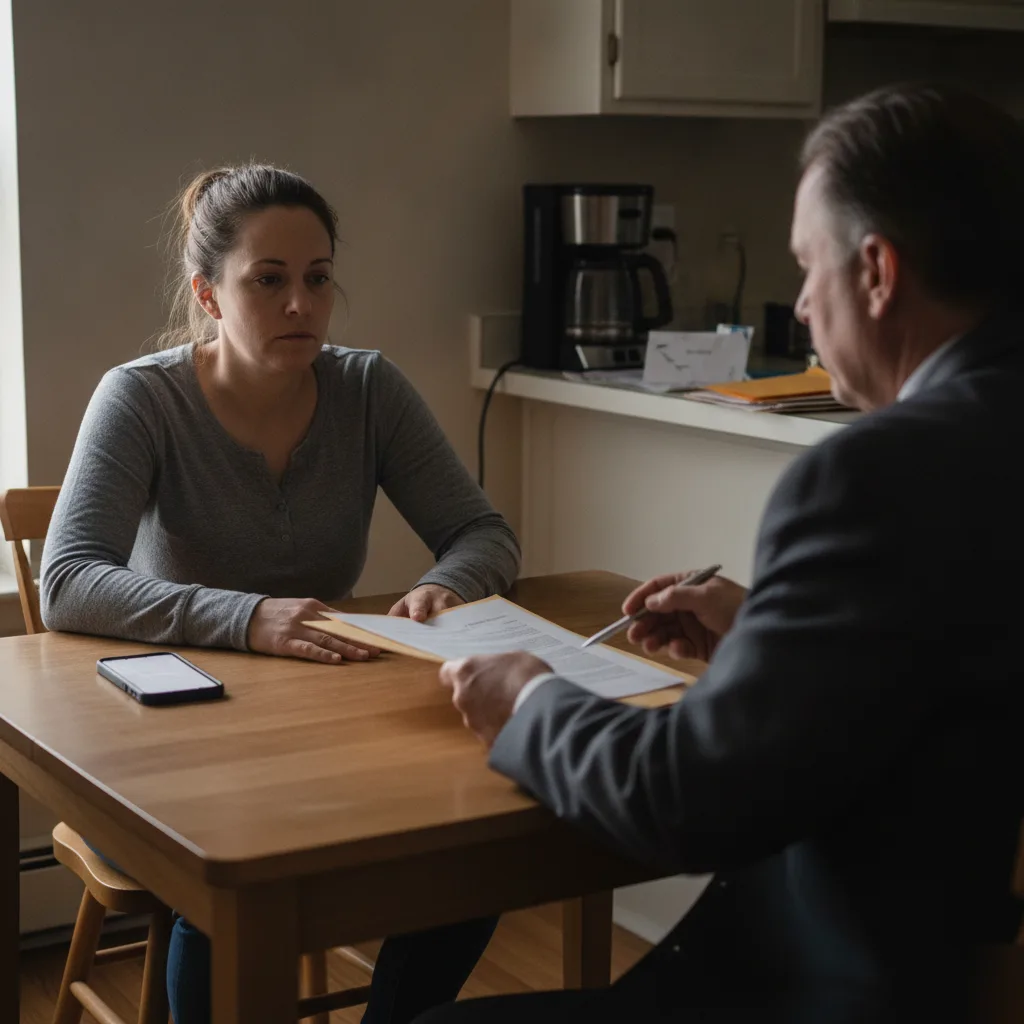
Domestic violence bail bonds work differently than a lot of the other bail bonds we write. Here’s what we’ve learned: Ohio law often requires a mandatory holding period after a domestic violence arrest, sometimes keeping the person in custody for several hours before a judge even sets bail. We hear the same question every week: why isn’t he out yet, why isn’t she out yet, we posted bail somewhere else last time and it was fast.

So what’s happening behind the scenes? The jail has to process the arrest, a judge has to review it, and in domestic violence cases there’s usually a no-contact order attached before anything else moves forward. That order matters. It can restrict where the released person can go, even their own home.
We walk families through this constantly, explaining what the hold means and roughly when bail will be set, so you’re not just sitting outside the jail guessing.
Franklin County cases like this typically move through either Franklin County Municipal Court or the Franklin County Court of Common Pleas, depending on the charge level. Our team gives Justice Court and Superior Court bail guidance so you know which one applies before you show up with a bail bond in hand.
What Happens After You Call a Bail Bondsman
You call. That’s step one, and it’s the hardest part for most people. Once you’re on the phone with us, we start asking the questions that matter: where’s your loved one being held, what’s the charge, do you know the bail amount yet. Domestic violence cases in Franklin County often come with a hold period before bail even gets set, so we’ll explain that part clearly instead of leaving you guessing.
From there we walk you through the paperwork over the phone or in person, whichever works for your situation. We’re licensed bail bondsmen, and after 20 years doing this across the state we’ve learned that families need clear steps, not a lecture. We’ll tell you what documents to have ready and what collateral options look like for your case.
- You give us the person’s name, the jail location, and the charge if you know it
- We check the bail amount with Justice Court or Superior Court, whichever applies
- We explain the bond cost structure and any collateral needed for your situation
- You sign the paperwork, in person or through documents we send over
- We post the bond and get things moving toward release
- We stay in touch so you’re not sitting there wondering what’s happening
Most families are shocked at how fast this part moves once the paperwork’s in motion. Domestic violence bail bonds can involve extra steps like no-contact orders, and we’ll walk you through what that means for your loved one’s release conditions.
If you want to see the full range of what we handle beyond this one situation, our
No-Contact Orders Change What Release Looks Like
Here’s what catches people off guard. Getting released isn’t the same as getting to go home. In almost every domestic violence case we work in Columbus, the judge sets a no-contact order before bail bond even gets posted. That means your loved one can’t go back to the shared address, can’t call, can’t text, can’t send a friend to check in. It doesn’t matter if the other person wants to drop it.
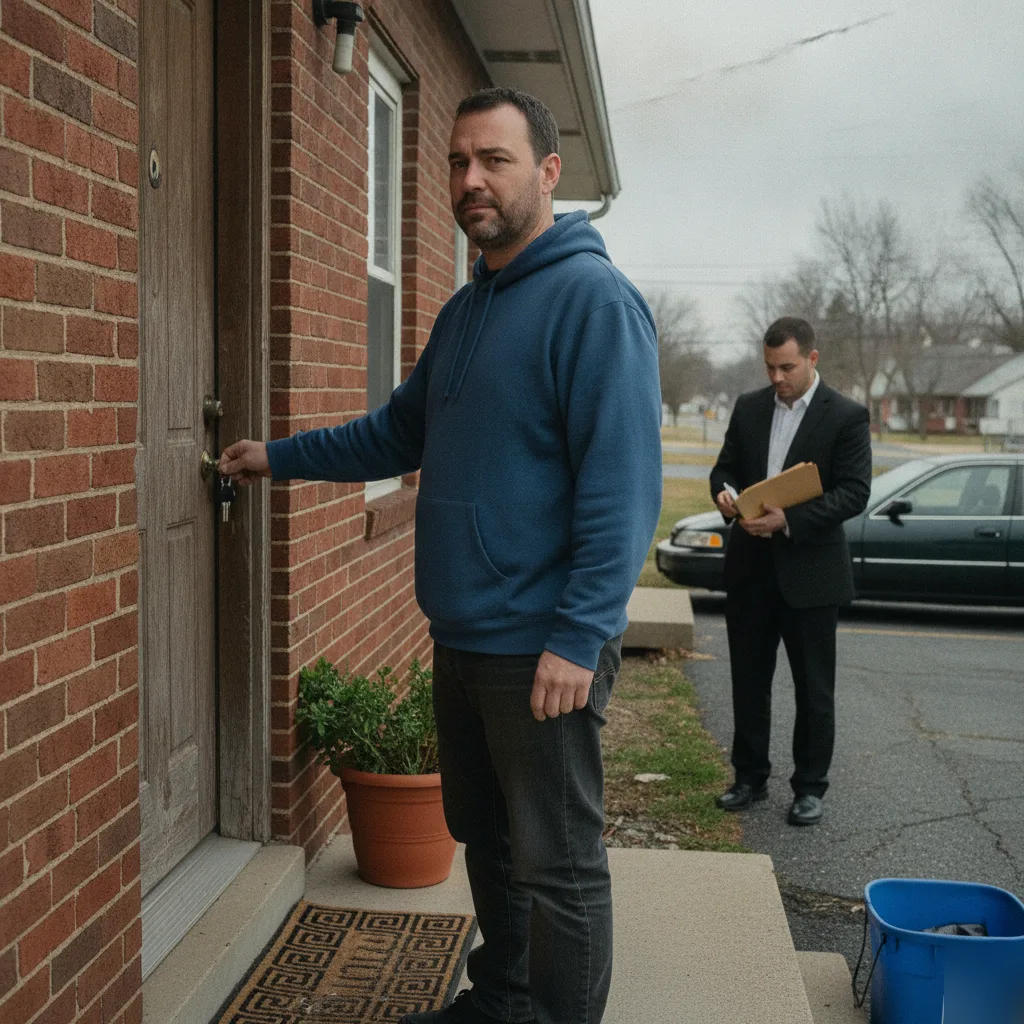
We tell families this every week: read the release conditions before you celebrate. A judge in Franklin County Municipal Court can order no contact even when the alleged victim doesn’t want it. Violating that order, even by accident or with good intentions, can land your family member back in jail with a new charge stacked on top. That’s the part nobody explains at 2 AM.
So what does this mean practically? Your loved one needs a place to stay lined up before release, not after. We’ve seen people get bailed out only to have nowhere to go because the family home is off limits.
- No return to the shared residence, even to grab clothes or keys
- No phone calls, texts, or messages through a third party
- No contact through social media, including likes or comments
- Conditions stay in place until a judge changes them, not until families agree to drop it
We walk families through what the paperwork says as part of our bail bond document preparation, so nobody gets blindsided by a condition they didn’t notice.
Thinking about Domestic violence bail bonds? Let’s talk.
Get a free quote now. Alliance Bail Bond Services Ohio — Columbus is ready to help.
How Bail Bond Costs Work for Domestic Violence Charges
Here’s what we want you to know. Bail bond costs aren’t random, they’re set by a percentage of the total bail amount a judge sets. That percentage is regulated, not something a bail bondsman just makes up on the spot. The bail amount itself depends on the charge, the person’s record, and sometimes how the judge reads the situation that morning.
Domestic violence cases tend to run higher than a lot of other charges. Judges in Franklin County often set bail higher when there’s a protective order request attached, or when it’s not a first offense. So the bail bond cost moves with that number. A lower bail means a lower bond fee. Higher bail, higher fee. That part’s just math.
What changes person to person is how you pay it. We know one plan doesn’t fit every family, because it doesn’t.
- Cash payment, straightforward and often fastest to process
- Credit card bail payments for families who need to move quick without cash on hand
- Flexible payment plans built around what you can afford each month
- Collateral options explained clearly before you sign anything
Before you agree to anything with any bondsman, ask what the payment plan looks like month to month. Ask if collateral is required or optional. Ask what happens if a payment’s late. A bail consultation should answer all of that before you’re locked into paperwork you don’t fully understand.
We walk families through this every week, sitting in that exact spot, trying to figure out how to get someone home tonight without wrecking next month’s budget.
Watch Our Video
See How We Handle Domestic violence bail bonds in
Alliance Bail Bond Services Ohio — Columbus
When You May Not Need a Bail Bond
Not every domestic violence arrest needs a bail bond. Sometimes the judge sets what’s called a personal recognizance release, no cash and no bond required, just a signed promise to show up in court. This happens more than people expect, especially on a first offense with no prior record.
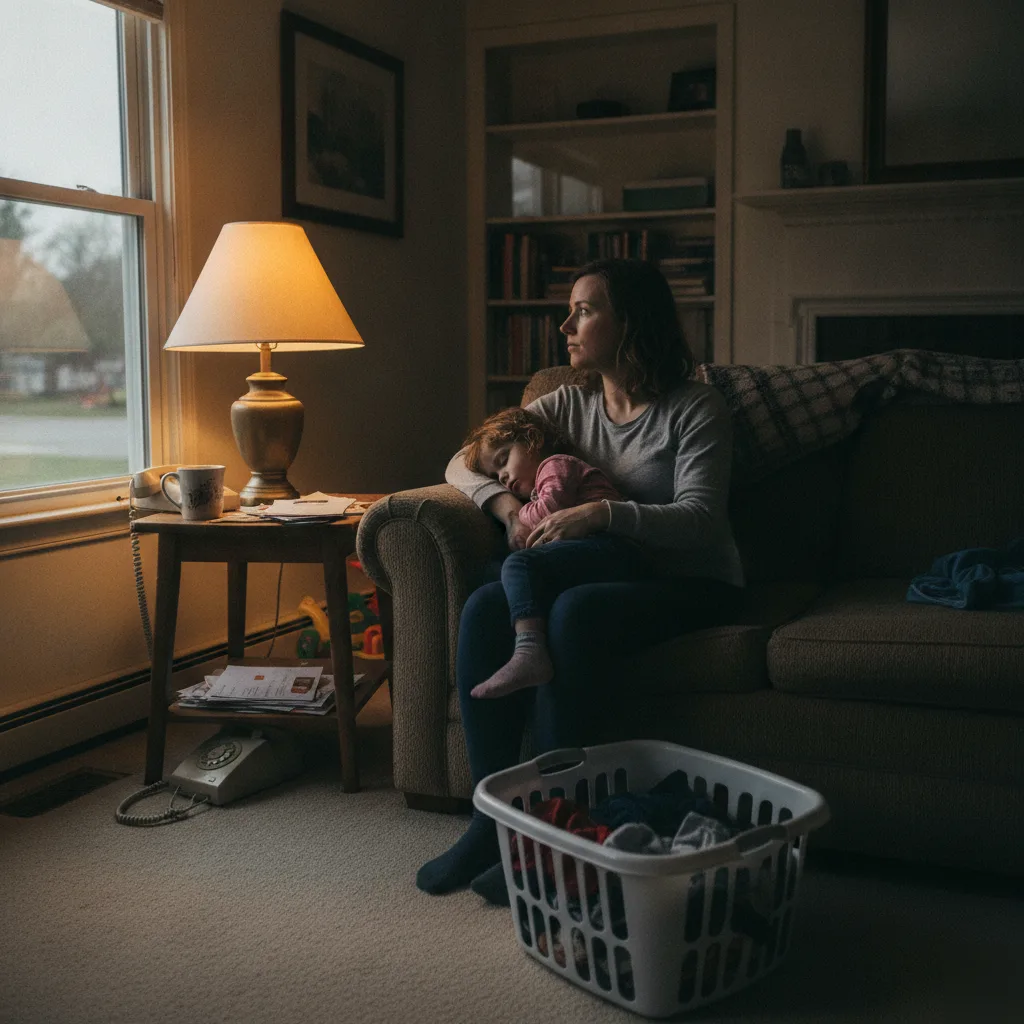
Some jails release someone on their own after a mandatory holding period passes, usually tied to Ohio’s domestic violence hold rules that keep a person in custody for a set number of hours before any release can happen. If that hold is still running, no bail bondsman can speed it up. We get calls at 2 AM asking why nothing’s moving yet, and sometimes it’s just the clock.
If bail gets set low enough, some families choose to pay the full cash amount straight to the court instead of using a bail bond. That’s a personal call based on what cash you have on hand versus what you’d rather keep in your pocket.
Here’s when you likely don’t need us:
- The court already released them on their own recognizance
- The mandatory holding period hasn’t ended yet and nothing can happen until it does
- You’ve got the full cash bail amount and prefer paying it directly
- The charge got dismissed or reduced before bail was even set
We’d rather tell you that straight than have you sit on hold wondering. If none of that fits your situation, though, that’s usually where things get complicated fast, and that’s exactly the kind of call we’re used to taking.
Frequently Asked Questions
Common questions about Domestic violence bail bonds
Why isn’t my family member released right after bail is posted for a domestic violence charge in Columbus?
Domestic violence arrests in Columbus often come with a mandatory holding period before a judge even sets bail. The jail has to process the arrest, and a judge has to review the case and attach a no-contact order first. This is different from most other arrests, which is why families are often confused when release takes longer than expected. We explain this timeline clearly so you know roughly when bail will be set.
Does a no-contact order mean my loved one can go back home after release?
No, a no-contact order usually blocks your loved one from returning to the shared home, even to grab clothes. In Franklin County Municipal Court, a judge can set this condition even if the other person doesn’t want it. It stays in place until a judge changes it, not until the family agrees to drop it. Your loved one needs a place to stay lined up before release, not after.
Which court handles domestic violence bail cases in Columbus?
It depends on the charge level. Franklin County cases typically move through either Franklin County Municipal Court or the Franklin County Court of Common Pleas. We give guidance on which one applies to your situation before you show up with a bail bond in hand, so you’re not standing at the wrong courthouse wondering what happened.
What information do I need before calling a bail bondsman for a domestic violence arrest?
You’ll need the person’s name, the jail location, and the charge if you know it. From there, we check the bail amount with the correct court and explain the bond cost structure and any collateral needed. Most families are surprised how fast this moves once the paperwork is in motion. We walk you through documents over the phone or in person, whichever works better for you.
Can violating a no-contact order affect my family member’s release?
Yes, violating a no-contact order can send your loved one back to jail with a new charge stacked on the original one. This happens even by accident, like a text or a friend checking in. We walk families through the release conditions during bail bond paperwork so nobody gets blindsided by a rule they didn’t notice on release day.
Why do domestic violence bail amounts tend to run higher in Columbus?
Bail amounts often run higher when there’s a protective order request attached or when it isn’t a first offense. Franklin County judges factor in the charge, the person’s record, and how the situation reads that morning. A higher bail amount means a higher bond fee, since the fee is a regulated percentage of the total bail a judge sets.
Ready to Get Started?
Get a free quote now. Call 614-612-1864 today.
Recent Comments