
Trusted Bail Bonds Agents Serving Columbus Ohio
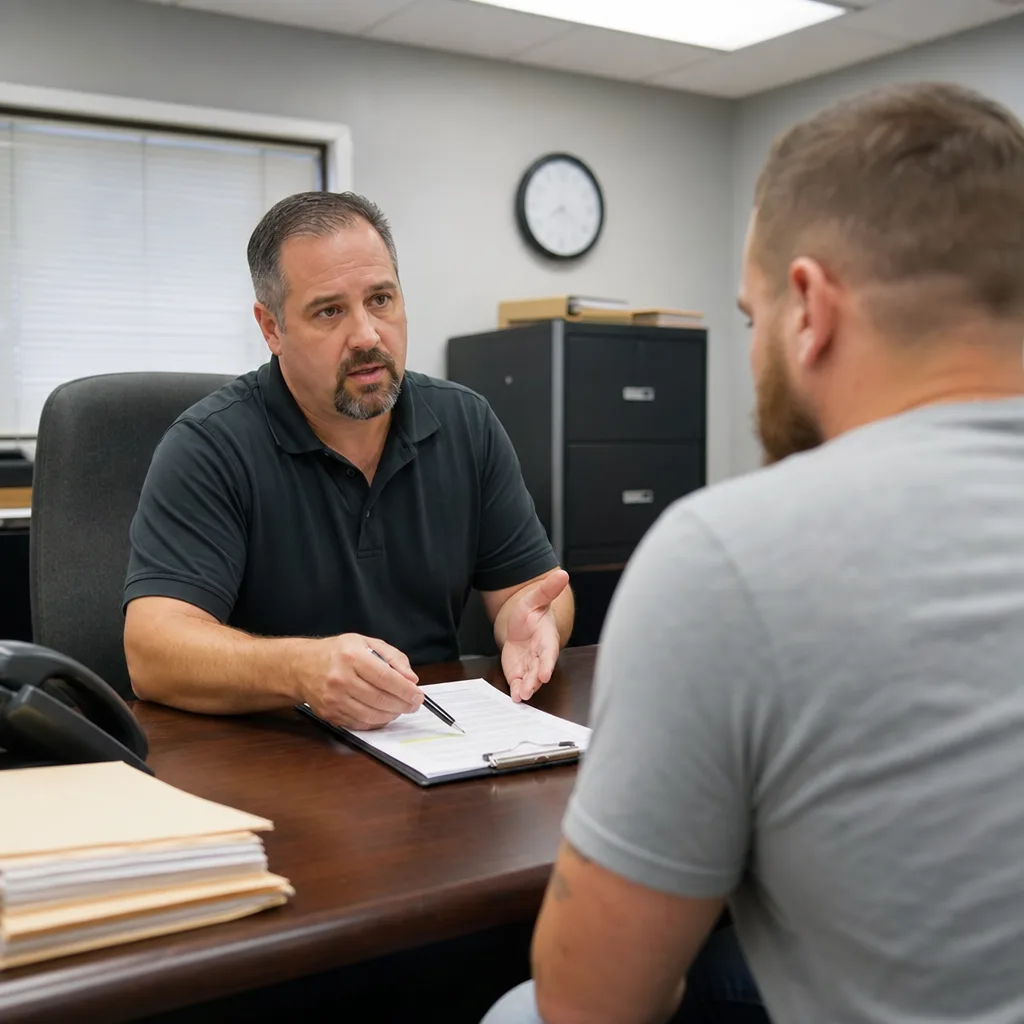
What’s Covered on This Page
- Why Collateral Gets Requested After an Arrest
- Types of Property That Can Secure a Bond
- When a Bail Bond Does Not Require Collateral
- How Bail Premiums and Collateral Work Together
- Signing the Paperwork Without Surprises
- Do I always have to put up collateral to bail someone out in Columbus?
- What kind of property can I use as collateral for a bail bond?
- Do I get my collateral back after the case is over?
- Why did the bail bondsman ask for collateral on my family member’s case in Franklin County?
- Can I use property that isn’t in my name as collateral?
- Should I put up my house or car for someone I’m not close with?
Why Collateral Gets Requested After an Arrest
Here’s the part nobody explains at 2 AM. When we post a bond, we’re telling the court we’ll cover the full bond amount if your person doesn’t show up. Not the small piece you pay us. The whole thing. So on some cases, we ask for something that backs that promise up.
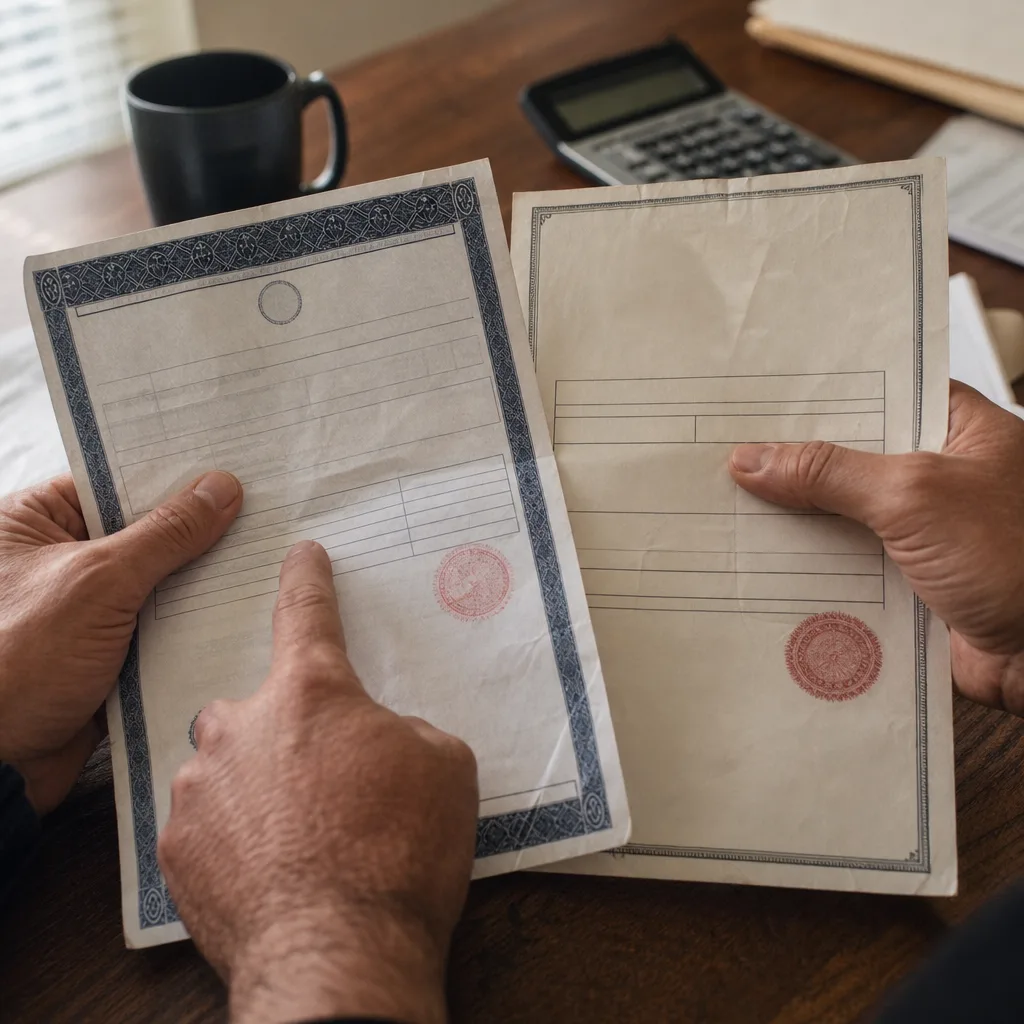
That’s collateral. A car title. A property deed. Sometimes cash held aside. It sits there doing nothing while the case moves through court, and when the case wraps up and every date was kept, it comes back to you.
It’s not a punishment.
Most of the calls we take never get to this conversation at all. Small bond, local person, family standing right there in the room – collateral usually doesn’t come up. But a few things push a case into that territory, and you deserve to know what they are before someone surprises you with it.
- A high bond amount set by the judge, which raises what we’d owe if something goes wrong
- The defendant lives outside Ohio or just moved to Central Ohio recently
- A history of missed court dates on past cases
- Charges that carry serious time, since the pressure to skip goes up
- No steady job, address, or family ties in the Columbus area
See the pattern? Every one of those is about whether the person will walk into that Franklin County courtroom on the right morning. That’s it. We’re not grading your family or guessing at guilt. We’re answering one question: how likely is it that everybody shows up?
And when the answer is a little shaky, collateral fills the gap so the release can still happen tonight instead of next week. We’ve spent more than 20 years working these situations out with families across the state, and there’s almost always a way through. We’d rather find it with you than tell you no.
Types of Property That Can Secure a Bond
People ask us this at 2 AM all the time. What can I put up? The honest answer is that collateral has to be two things: worth real money, and easy to prove you own it. Sentimental value doesn’t count. Grandma’s ring might mean everything to you, but if there’s no appraisal and no paperwork, it’s hard to work with.

Here’s what usually gets accepted in Ohio bail situations.
- Real estate with equity. A home, rental property, or land. The equity matters more than the price tag, so a house with a big mortgage on it may not stretch as far as folks expect.
- Vehicles with a clear title. Cars, trucks, boats, motorcycles. If a lender still holds the title, it’s generally off the table.
- Cash or bank funds. The cleanest option, since there’s nothing to appraise.
- Jewelry, precious metals, or firearms with documented value. Appraisals or receipts make these workable.
- Certain investment or retirement accounts, depending on the account rules.
Notice a pattern? Everything on that list has a title, a statement, or an appraisal behind it. That’s the whole test. A bondsman has to be able to show a value and show who owns it.
And ownership trips people up more than value does. A car in your cousin’s name doesn’t help you. A house you share with a sibling usually means both signatures. We walk families through this every week, and nine times out of ten the fix is just finding the right person to sign.
Not everything needs collateral, either. Plenty of bonds get written without it. Our Ohio bail bond services cover the full range, from cash and credit card bonds to bail bonds payment plans built around what a family can afford. Collateral is one tool, not the only one.
So before you start pulling deeds out of a drawer, call and ask. Sometimes the answer is simpler than you think.
That same focus carries through the practical ohio services guidance our team provides to local families.
When a Bail Bond Does Not Require Collateral
Here’s the part most people don’t expect. A lot of bonds don’t need collateral at all. Families call us bracing for the worst, already arguing in the parking lot about whose car title to sign over, and then the answer is nobody signs anything. That happens more than you’d guess.

So what makes a case collateral-free? Mostly it comes down to risk. Lower bond amount. Local ties. A person with a job, a lease, kids in school, family in the room ready to sign as indemnitor. When the picture says this person is showing up to court, there’s no reason to lock up your property.
Cases that usually close without collateral look something like this:
- Smaller bond amounts on first-time, non-violent charges
- The defendant lives in Franklin County and has steady work here
- A cosigner with decent credit and stable address is willing to sign
- No history of missing court dates
- The charge is a misdemeanor headed to a municipal docket
Now the honest flip side. Sometimes you shouldn’t pledge anything even if you could. If you’re a distant relative who hasn’t spoken to this person in six years, don’t put your home on the line for them. If the only asset you own is the car you drive to work, think hard. Collateral gets returned when the case ends and the defendant shows up every time. But if they run, that asset is gone, and no amount of good intentions gets it back.
We’d rather tell you that up front than after.
And if you’re unsure where your situation falls, ask before you agree to anything. A licensed bondsman can look at the bond amount and the charge and tell you in a couple minutes whether collateral is even part of the conversation. That’s a free question. It should always be a free question.
Ready when you are – get in touch today.
Get a free quote now. Alliance Bail Bond Services Ohio — Columbus is ready to help.
How Bail Premiums and Collateral Work Together
Here’s the part that trips up almost everybody. The premium and the collateral are two completely different things, and mixing them up is why people panic on the phone with us.

The premium is the fee. In this industry, a bail bondsman charges a set percentage of the full bond amount, and that percentage is regulated at the state level, not made up shop by shop. You pay it for the service of posting the bond. It’s earned once your person walks out, and it doesn’t come back to you, the same way an insurance premium doesn’t come back at the end of the year. Payment plans exist because most families can’t hand over that fee in one piece at 3 in the morning.
Collateral is different. Collateral isn’t a payment at all.
It’s a promise with something valuable sitting behind it. You pledge an asset so the bond company has protection for the remaining balance of the bond, the part nobody is writing a check for. If the defendant shows up to every court date, the collateral gets released back to you. Nothing is sold. Nothing is kept. Think of it like the deposit on an apartment, you get it back when the terms are met.
- Premium: the percentage fee, set by state regulation, non-refundable once the bond is posted
- Collateral: an asset pledged as security, returned when the case is closed out
- Payment plan: how the premium gets broken up over time, separate from any collateral
- Indemnitor: the person who signs and takes on responsibility for both
So a family can owe a premium and pledge zero collateral. Happens constantly. It depends on the bond amount, the charge, and who’s signing. We walk through that math with you before you sign anything, not after.
Not sure which one somebody’s asking you for? Ask. A licensed bondsman should be able to explain it in one sentence – if they can’t, keep calling.
Signing the Paperwork Without Surprises
Here’s where most people freeze up. The pen comes out, there’s a stack of forms, and it’s two in the morning. You’re not reading carefully at that hour. Nobody does. So we slow it down and read it with you, line by line, until you can repeat back what you just agreed to.
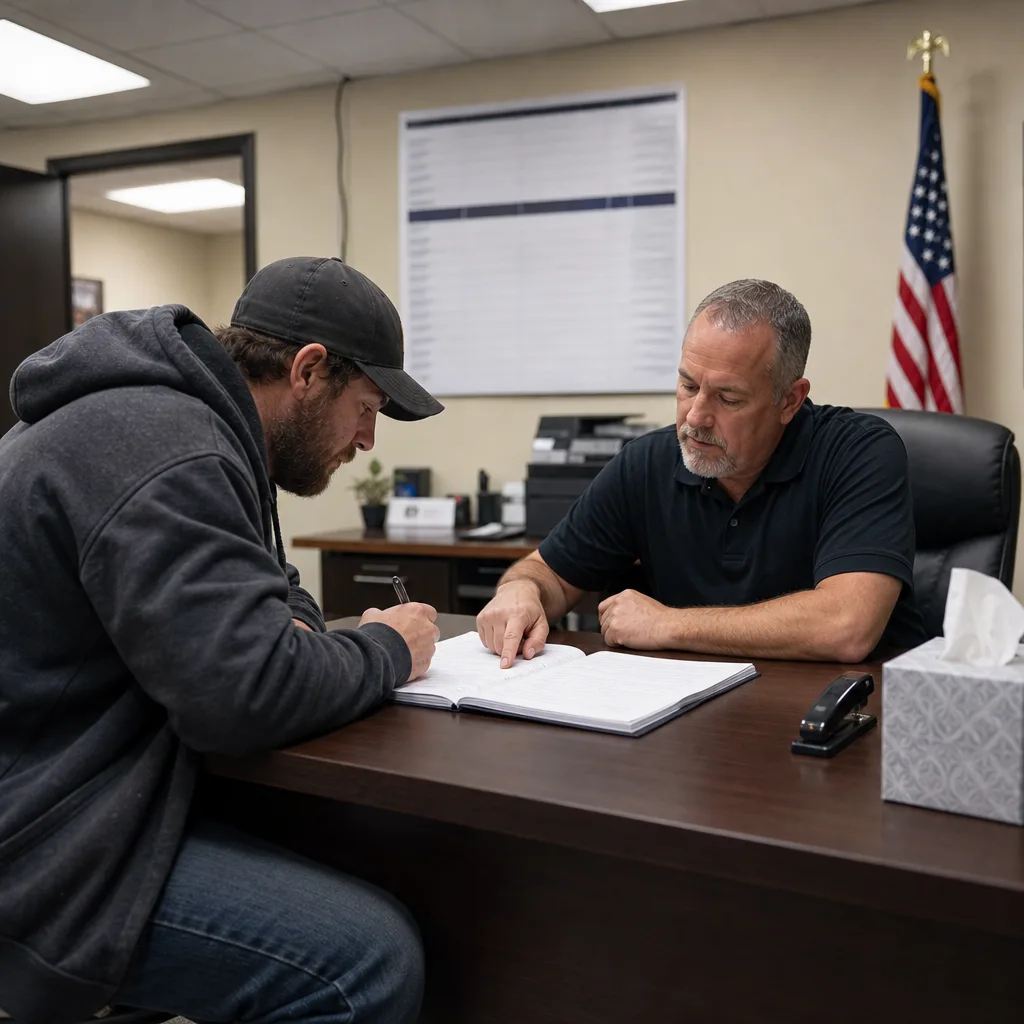
The collateral paperwork does three things. It names the exact item being held. It says what happens if the defendant shows up to court, and it says what happens if they don’t. That’s it. It is not a sale, it is not a lien on everything you own, and it doesn’t touch property you didn’t list.
Ask us to point to the line. We’ll point to the line.
- We write down the item in detail. Title number, VIN, account number, serial number. Vague descriptions cause fights later, specific ones don’t.
- You confirm you own it. If your name isn’t on the title, it can’t be used, and we’d rather find that out now than after the release paperwork is filed.
- We record the agreed value and how we got there. Not a guess scribbled on a napkin.
- You sign the return terms. This spells out when the hold comes off after the case ends.
- You leave with your own copy. Every time. If a bondsman keeps the only copy, walk away.
One more thing worth knowing. A co-signer and a collateral holder aren’t always the same person. Your sister can co-sign while you put up the title, or one person can do both. We see split arrangements almost every week in families spread across Columbus and the suburbs, and it works fine as long as everybody signs knowing their own role.
Got a question about a form at 3 AM? Call anyway. We’re awake.
And if something on the page doesn’t make sense, don’t sign it yet. A good bondsman explains it again. A bad one rushes you –
Frequently Asked Questions
Common questions about Collateral Explanations
Do I always have to put up collateral to bail someone out in Columbus?
No, many bonds do not need collateral at all. It usually depends on the bond amount and how strong the defendant’s ties are to Franklin County. If someone has a steady job, a lease, and family ready to cosign, most bonds close without anyone signing over property. Collateral tends to come up on higher bonds or when the defendant recently moved to Central Ohio. Ask before assuming you need to pledge anything.
What kind of property can I use as collateral for a bail bond?
Real estate with equity, vehicles with a clear title, cash, and appraised jewelry or firearms usually work. The property needs a paper trail showing value and ownership. A house with a big mortgage may not stretch far, and a car still owed to a lender is generally off the table. Sentimental items without appraisals don’t count. If you’re unsure what you own qualifies, ask a licensed bondsman to walk through it with you.
Do I get my collateral back after the case is over?
Yes, collateral comes back once the case ends and the defendant showed up to every court date. It’s held as a promise, not spent as payment. This is separate from the bail bond fee itself, which is not returned. Collateral only stays at risk if the defendant misses court and skips out on the case, which is why it matters who you agree to back.
Why did the bail bondsman ask for collateral on my family member’s case in Franklin County?
It usually means the case carries more risk than average. A high bond set by the judge, a recent move to Central Ohio, past missed court dates, or serious charges can all push a case into collateral territory. It’s not a judgment on your family. It’s a way to answer one question: will this person walk into the Franklin County courtroom on the right morning. Collateral helps make release possible even when that answer looks shaky.
Can I use property that isn’t in my name as collateral?
Not usually, since ownership matters as much as value. A car titled to your cousin or a house you share with a sibling typically needs the actual owner’s signature. This trips up more families than the value question does. Most of the time the fix is simple: find the right person willing to sign, not finding new property. Bring the title or deed with you so ownership can be confirmed quickly.
Should I put up my house or car for someone I’m not close with?
Think hard before pledging property for someone you don’t trust to show up. Collateral only comes back if the defendant makes every court date. If they skip town, that asset is gone for good, no matter how good your intentions were. This matters most for distant relatives or people you haven’t stayed close with. A licensed bondsman can look at the bond amount and charge and tell you whether it’s worth the risk.
Ready to Get Started?
Get a free quote now. Call 614-612-1864 today.
Recent Comments