
Trusted Bail Bonds Agents Serving Columbus Ohio

What’s Covered on This Page
- Common Pleas Court Handles Felony Cases After Indictment
- What Happens After a Bond Is Set at Common Pleas Court
- Choosing Between a Bail Bond and Paying Cash Bail Yourself
- When You Don’t Need Common Pleas Court Bail Guidance
- Verifying Bond Details Before You Act
- What if I get mail from the court and don’t know what it’s about?
- Can a grand jury indict someone who was never arrested first?
- What should I do before my first time appearing in court?
Common Pleas Court Handles Felony Cases After Indictment
Most families don’t know there’s more than one court involved until they’re in the middle of it. Here’s the simple version. When someone in Columbus is arrested on a felony, the first hearing usually happens in Franklin County Municipal Court. That’s often where the first bond gets set. But the municipal court doesn’t handle felony trials. Once a grand jury looks at the case and decides there’s enough to move forward, it hands up an indictment. Then the case goes to the Franklin County Court of Common Pleas.

That move matters for bail. The Common Pleas judge isn’t stuck with what happened in the first court. At arraignment, or at a later hearing, the judge can:
- Keep the bond the way it is
- Raise it or lower it
- Change the type of bond
- Add conditions, like no contact with certain people, drug testing, or electronic monitoring
Picture this. Your brother got out a few weeks ago on a bond set in municipal court. Life feels a little more normal again. Then a letter shows up saying he’s been indicted and has an arraignment date downtown. Your stomach drops. Is he going back to jail? Do you have to pay all over again? Those are fair questions, and the answer depends on what the Common Pleas judge decides. Sometimes the bond simply carries forward. Sometimes it changes. The worst outcome is a missed court date, because that can lead to a warrant and a lot more trouble.
Some cases skip the first step completely. A person can be indicted without ever being arrested first. Then a warrant or a summons goes out, and bail gets handled right at the Common Pleas level. Families in that spot often have even less warning, so it helps to know who you’ll call before that knock on the door.
This is where it earns its keep. It’s not just about posting bail one time. It’s about tracking your loved one’s case as it moves from one court to the next, so nobody misses a date or gets surprised by new bond terms. Our team is made up of fully licensed bail bondsmen with more than 20 years of experience helping families across Ohio. We’ll walk you through what the indictment means for the bond you already have, and what to do next if the judge changes it.
If the indictment paperwork has already come, keep it close. The case number, the arraignment date, and the courtroom listed on it are the first things anyone will need to help you. Hang onto any receipts or paperwork from the first bond, too. Having all of it in one place makes the next step faster and a lot less stressful.
What Happens After a Bond Is Set at Common Pleas Court
Once the Common Pleas judge sets the bond, you’ll know two things: how much it is and what type it is. Now the question is simple. How do you get your loved one home? You’ve got a few main choices.
- Pay the full amount in cash to the court. If your loved one makes every court date, that money is usually returned when the case ends, though the court may keep some for fines or costs.
- Work with a licensed bail bondsman. You pay a fee, and the bondsman posts a bond for the full amount. That fee isn’t returned, but you don’t have to come up with the whole bond yourself.
- Some bonds are set as a personal promise to appear, with no money needed up front. If that’s what the judge ordered, you may not need a bondsman at all.
For most families, a big felony bond in cash just isn’t possible on short notice. That’s where we come in. Our bail bond services across Ohio include cash only bail bonds, credit card bail bonds, and bail bonds payment plans. We offer flexible payment plans built around your own money situation, so you’re not stuck choosing between rent and getting someone home.
To get started, we’ll ask for a few basics. Have these ready if you can:
- Your loved one’s full name and date of birth
- Where they’re being held
- The case number and bond amount
- Your own ID and contact details if you’ll be co-signing
Co-signing is a real promise, so let’s be honest about it. When you sign, you’re saying you’ll help make sure your loved one shows up to court. If they don’t, you could be on the hook for the full bond. Some bonds also need collateral, like a car title or other property. We’ll explain exactly what’s being asked and why before you sign anything. No surprises, no fine print you didn’t understand.
After the paperwork is done, the bond gets posted and the jail starts its release process. That part runs on the jail’s clock, not ours. Picture sitting in your car outside the jail at 2 AM, checking your phone every few minutes. It can feel like forever. It doesn’t mean something went wrong. Release just takes time on their end, so bring a charger and some patience.
Getting out isn’t the finish line. The bond stays in place until the case is over, and it only holds up if your loved one does two things: shows up to every single court date, and follows any conditions the judge set. Write the dates down. Put them in your phone. Set a reminder the day before. If a new hearing changes the bond, call us right away so we can help you sort out what it means.
Our team is made up of fully licensed bail bondsmen with more than 20 years of experience helping families across Ohio. We’ve helped plenty of people through this exact stretch, from the first phone call to the last court date.
Choosing Between a Bail Bond and Paying Cash Bail Yourself
The real question isn’t just “Can I pay it?” It’s “Can I live without this money until the case is over?” Felony cases in Common Pleas Court can take months to finish, sometimes longer. Cash you post stays with the court that whole time. You can’t touch it for rent, a car repair, or an emergency.
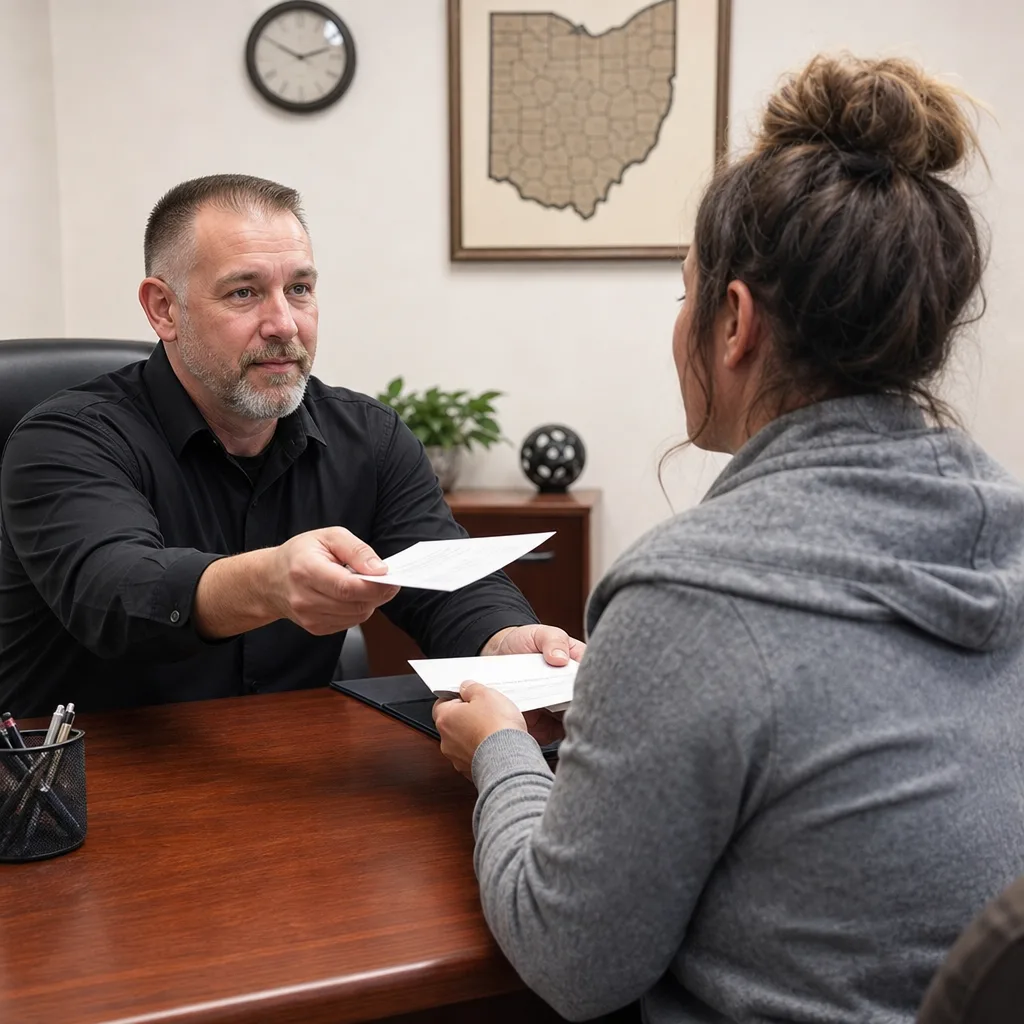
Paying the full bond in cash yourself can be the better choice. We’d rather tell you that straight than talk you into something you don’t need. Cash may make sense when:
- The bond is small enough that you won’t miss the money for a while.
- The money is truly extra and isn’t set aside for bills, school, or a rainy day.
- You’re confident your loved one will make every single court date.
- Getting most of the money back at the end matters more to you than keeping it free now.
If that’s you, go ahead and post it with the court. Just keep the receipt somewhere safe, and remember that fines or court costs may come out of it before you get anything back.
A bail bond usually makes more sense when the bond is large, when the money would come out of savings you need, or when you’d have to borrow from family to cover it. Here’s a common spot people find themselves in. Your aunt has enough saved to cover your cousin’s bond, but it’s the money for her daughter’s tuition this fall. If she posts cash and the case drags on, that tuition money is stuck. A bond fee costs her less up front and keeps the rest of her savings where it belongs.
The bondsman’s fee isn’t something you get back, so it’s fair to ask what goes into it. A few things shape the total cost of working with a bondsman:
- The size of the bond the judge set.
- Whether collateral is needed to back the bond.
- How you pay, whether that’s all at once, by credit card, or through a payment plan.
Before you sign with any bondsman, ask these questions out loud and expect clear answers:
- Are you licensed in Ohio?
- Are there any fees beyond the main bond fee?
- What does the payment plan look like each month?
- If collateral is involved, when and how do I get it back?
- What happens if the judge changes the bond at a later hearing?
A good bondsman won’t dodge any of these. Our team is made up of fully licensed bail bondsmen with more than 20 years of experience helping families across Ohio. We build flexible payment plans around your real money situation, not a one-size-fits-all number.
Still not sure which way to go? That’s okay. Talking it through with someone who’s done this many times can take a lot of the weight off your shoulders.
Ready when you are – get in touch today.
Get a free quote now. Alliance Bail Bond Services Ohio — Columbus is ready to help.
When You Don’t Need Common Pleas Court Bail Guidance
Not everyone who lands on this page needs us. That’s the truth, and we’d rather you hear it from us than find out after you’ve spent money you didn’t have to. Here are the times you can probably skip Common Pleas Court bail help, or need a different kind of help instead.
- The charge is a misdemeanor. Many smaller cases, like a lot of traffic charges or minor offenses, stay in Franklin County Municipal Court from start to finish. If the case never moves up to Common Pleas, there’s no hand-off to track.
- The judge set a personal promise to appear. If no money is due, there’s nothing to post. Your loved one signs, follows the rules, and goes to court.
- You can cover the bond in cash without hurting yourself. If the money is truly extra, posting it with the court yourself is a fair choice, and you won’t owe anyone a fee.
- No indictment came. Sometimes a grand jury decides not to move a felony forward. If that happens, the case doesn’t go to Common Pleas at all. Check with the court or your loved one’s lawyer about what that means for the first bond.
- The bond carried forward and someone is already handling it. If the Common Pleas judge left the bond as it was and you already have a bondsman on it, you don’t need to start over. Keep showing up to court and keep that bondsman in the loop.
There are also times when a bondsman simply isn’t the right person to call.
If the judge holds your loved one without bond, there’s nothing to post. No bondsman can change that. What you need then is a criminal defense lawyer who can ask the court for a new bond hearing. The same goes for questions about the charges, plea deals, evidence, or whether the bond amount is fair. Those are legal questions, and they belong with an attorney or a public defender. We can explain how bail works and what a bond asks of you, but we’re not your loved one’s lawyer and won’t pretend to be.
Here’s a moment that often goes like this. Your son calls from jail after a fight outside a bar. You’re already pulling on your shoes and getting ready to drive downtown with your checkbook. Then you learn the charge is a misdemeanor and he’s being let out on his own promise to appear. You don’t need a bondsman tonight. You need to pick him up, get him some sleep, and write his court date on the fridge.
If you read this list and none of it fits, that’s useful to know too. A felony that’s moving to Common Pleas, a bond you can’t easily cover, or a new bond set after an indictment are the times when steady help really matters.
Verifying Bond Details Before You Act
When someone you love is sitting in jail, you want to pay and get them out right now. That makes sense. But take five minutes to check the details first. Paying on the wrong case, or for the wrong amount, can leave your loved one stuck behind bars even after the money is gone.
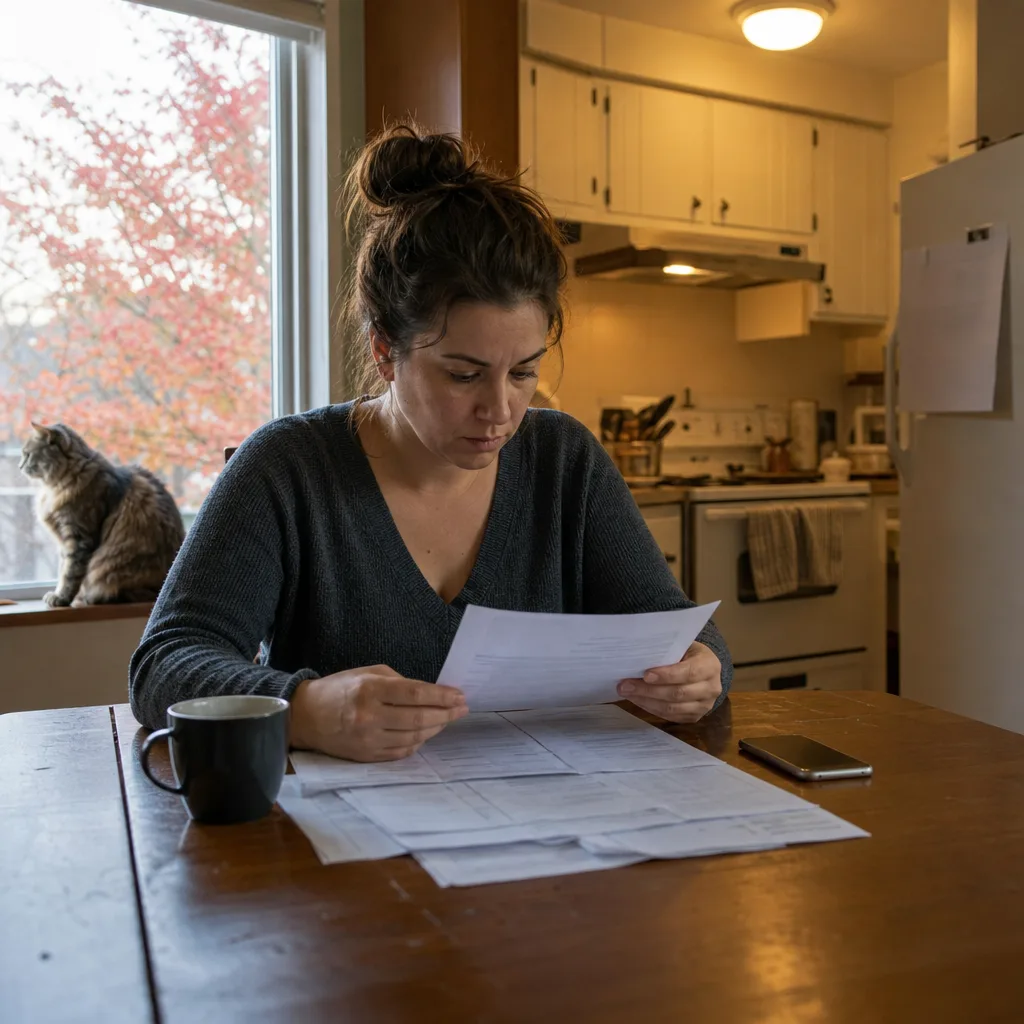
With a felony in Columbus, this matters even more. Because the case can move from municipal court to Common Pleas, there may be more than one case number and more than one bond on paper. The old one may not be the one that counts anymore.
Before you sign or pay, check these things:
- The case number is the Common Pleas number, not the older municipal court number from the first arrest.
- The bond amount matches what the judge set at the latest hearing. Bonds can change, so don’t go by what someone remembered from last week.
- The bond type is clear. A cash-only bond can’t be covered the same way as a surety bond, so you need to know which one you’re dealing with.
- Your loved one’s full legal name is spelled right and matches the jail’s records.
- There are no other holds. A warrant from another county, a probation hold, or a second open case can keep someone in jail even after one bond is posted.
- You know the conditions of release. If the judge ordered electronic monitoring or no contact with certain people, ask whether anything has to happen before your loved one can walk out.
The clerk’s office or the jail can confirm most of this. Your loved one’s lawyer can help too. If something doesn’t match, stop and ask before any money changes hands.
Here’s how it can go wrong. A mom scrapes together money and posts her son’s bond late on a Friday night. Hours pass, and he still isn’t out. Then she finds out he has an old warrant from another county. That warrant has to be handled too. Her payment wasn’t wasted, but the night she pictured never happened. One quick question up front would have told her what she was really facing.
You should check the bondsman too. Ask for their license and confirm it’s current in Ohio. Get every fee and every payment plan term in writing. Keep copies of everything you sign. A bondsman you can trust will be glad you asked.
Checking all of this doesn’t slow you down much. It’s what keeps a hard night from turning into a longer one. Our team is made up of fully licensed bail bondsmen with more than 20 years of experience helping families across Ohio. We can help you look over what you have, spot anything that doesn’t add up, and set up a flexible payment plan that fits your situation once the details check out.
Frequently Asked Questions
Common questions about Common Pleas Court Bail Guidance
What if I get mail from the court and don’t know what it’s about?
Open it right away and check the case number and court name listed on it. A letter or package from Franklin County Municipal Court or Common Pleas Court often means an indictment, a new hearing date, or updated bond terms. Call the clerk’s office to confirm what it means for your loved one’s case, then reach out to us if it affects an existing bond.
Can a grand jury indict someone who was never arrested first?
Yes, this happens sometimes. A person can be indicted directly, without an earlier arrest or municipal court hearing. When that occurs, a warrant or summons goes out and bail gets set right at the Common Pleas level, often with little warning for the family.
What should I do before my first time appearing in court?
Slow down and give yourself extra time, since rushing makes people feel more nervous. Bring any paperwork tied to the case, including the indictment notice or bond receipt, so you have the case number and hearing details ready. If anxiety is a big worry, talking it through with your loved one’s lawyer ahead of time can help you both feel steadier.
Ready to Get Started?
Get a free quote now. Call 614-612-1864 today.
Recent Comments